Dama Design Exhibitions
Hidden Costs of Exhibiting: What Companies Forget to Budget For
Every business dreams of standing out at a major trade show — connecting with new clients, showing off innovation, and building credibility in the market. But what most first-time exhibitors don’t realise is how easily hidden exhibition costs can turn a great marketing opportunity into a financial headache. The exhibition floor may look glamorous, but behind every well-lit stand lies a complex web of logistics, fees, and last-minute expenses that often go unplanned.
As exhibition stand builders, we’ve seen this story many times. A company sets a healthy exhibition stand budget, signs off the design, and feels ready — only to face an avalanche of unforeseen costs once the real work begins. To protect your investment and ensure measurable exhibition ROI, it’s essential to go beyond the obvious and plan for what’s beneath the surface. This guide reveals the most overlooked areas of exhibition budgeting and how to prepare like a professional.
1. The Unseen Infrastructure: Power, Logistics, and Venue Services
When people ask, “How much does it cost to exhibit?” the answer always depends on how well you understand the infrastructure behind your stand. Renting floor space is only the beginning. Exhibitions charge separately for essentials like electricity, water, waste disposal, and internet access. These utilities might seem minor, but collectively they can represent up to 15–20% of your total exhibition costs.
Power and lighting alone are common culprits. Each socket is billed individually, and pricing depends on wattage, timing, and installation requirements. Need a 3kW supply for a coffee machine or LED wall? That’s another line item. Venues also have strict rules about who installs electrical connections — you can’t bring your own electrician. Their approved contractors handle it, often at premium rates if you miss early order deadlines.
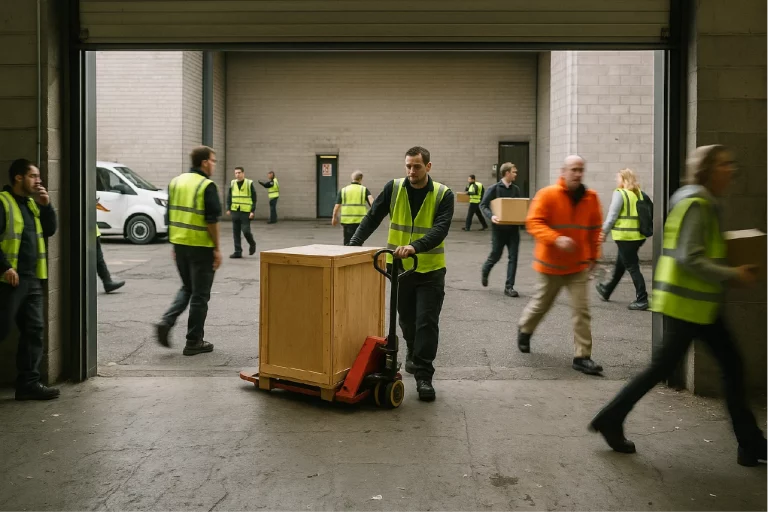
Transport and material handling fees are another hidden layer. Forklift use, loading bay access, or timed delivery slots often carry additional costs. If your stand arrives late, or your vehicle overstays its time window, expect charges. International exhibitors face even more complexity: customs clearance, freight forwarding, and temporary import paperwork (ATA Carnets) all add both cost and risk.
Then there’s waste management. Once the show closes, your build materials, packaging, and flooring must be cleared on schedule. Many organisers impose environmental levies or disposal fees, especially for non-recyclable materials. These costs are small individually, but together they form a silent undercurrent in every exhibition stand cost breakdown.
2. People and Time: The Costs You Don’t See on Paper
Human involvement is often the most underestimated line of all. Staff hours, travel, accommodation, and meals add up quickly — particularly for international events. Even small details like branded clothing, training sessions, and insurance can impact your overall trade show costs. When planning your team’s presence, it’s wise to calculate every cost connected to getting your staff to, through, and home from the venue.
Hotels near major venues such as ExCeL London or the NEC Birmingham fill up months in advance. Late bookings can double in price. Transport costs fluctuate too: taxis, airport transfers, or even London congestion charges. Add staff meals, daily allowances, and the odd emergency coffee run, and you can easily exceed your initial exhibition budgeting plan.
Beyond travel, think about time. Every hour spent on planning, building, or staffing your stand carries a cost. If you’re a small business, that’s time not spent running normal operations. Many exhibitors forget to value internal labour when assessing how much it costs to exhibit. A fair budget assigns a realistic hourly rate to management, marketing, and operations time so you can assess the true investment — not just the invoices.
Finally, consider training. Staff must understand not only your products but also how to engage visitors efficiently. A disengaged or unprepared team can lose leads faster than any design flaw. Invest early in briefing sessions to maximise your exhibition ROI. Great preparation costs a little; lack of it costs a lot more.
Get your Exhibition stand Installation quote!
Let’s save you from surprise costs…
3. Presentation and Comfort: Small Additions That Make Big Differences
It’s easy to focus on the visual appeal of your stand — the graphics, lighting, and structure — while overlooking visitor comfort and staff practicality. Yet, these subtle factors directly affect engagement and retention. For example, furniture rental for seating, meeting tables, or reception counters is rarely included in your stand quote. Add flooring upgrades, lighting adjustments, or decorative elements like planters or branded displays, and your hidden exhibition costs climb steadily.
Another overlooked area is catering and hospitality. Offering drinks, snacks, or barista service can transform your visitor experience but must be sourced through approved caterers at marked-up prices. Many organisers prohibit outside food and beverages, so even a simple coffee setup requires ordering through official channels — plus electrical supply and water waste management to match.
Cleaning and waste disposal also catch people off guard. After a long exhibition day, stands get messy — cups, brochures, footprints, and dust accumulate fast. Daily cleaning and overnight rubbish collection are chargeable services, and skipping them can hurt your brand image. A tidy stand signals professionalism, while an untidy one deters serious leads.
Lastly, insurance, compliance, and health and safety documentation carry both direct and indirect costs. Many venues require risk assessments, method statements, and proof of structural stability before you can start building. Failure to provide these on time can halt your installation or incur late processing fees. Adding a small compliance buffer into your exhibition stand budget prevents panic spending later.
4. Budget Planning and Risk Buffer: Thinking Beyond the Basics
The smartest exhibitors treat their budgets like living documents — evolving as the project does. A rigid plan leaves no room for changes, but a dynamic one anticipates uncertainty. As a rule of thumb, always add a 15–20% contingency buffer to your total budget to absorb unplanned exhibition expenses. This doesn’t mean you’ll necessarily spend it, but it gives you flexibility when unexpected needs arise.
For instance, last-minute design modifications, replacement graphics, or extended build hours can inflate exhibition costs. Organisers often impose penalties for late submissions or out-of-hours work. Freight can be delayed by weather or customs, requiring overnight shipping to stay on schedule. A solid contingency fund prevents such issues from becoming financial crises.
A proper exhibition stand cost breakdown includes fixed and variable elements. Fixed costs cover things like space rental and structural build, while variable costs include utilities, transport, and hospitality. When reviewing quotes, ensure each supplier provides itemised pricing — not lump sums. Transparency enables smarter trade-offs and keeps you from double-paying for overlapping services.
It’s also helpful to maintain a detailed exhibition expenses checklist. List every cost category — from storage and marketing to post-event follow-ups. This not only keeps your finances accurate but also improves forecasting for future shows. Over time, you’ll spot patterns and learn where efficiency gains are possible.
Lastly, consider your long-term plan. Reusable modular systems, for example, might cost more upfront but save thousands over multiple events. Similarly, digital screens can replace printed graphics and reduce reprinting costs annually. Smart exhibition budgeting means balancing immediate impact with repeat value.
Get in touch to get your Exhibition Stand cost breakdown!
5. Post-Event Reality: Measuring True ROI
Exhibition budgets often stop at the day the doors close — but real success is measured in what happens after. Post-event logistics, lead nurturing, and data management all require time and resources. Without them, even a well-executed show fails to deliver return on investment.
After dismantle, you’ll need to consider return freight, storage, and potential repair costs. Many first-time exhibitors overlook the expense of packing materials or the warehouse rent for keeping reusable structures. Keeping an organised post-show process protects assets and ensures your investment lasts beyond one event.
Lead follow-up is the other side of the coin. Capturing leads is easy; converting them takes consistent engagement. CRM systems, follow-up campaigns, and lead qualification tools all carry costs, whether in subscriptions or staff time. To measure exhibition ROI effectively, assign clear values to these activities and compare them against your total spend. The best exhibitors track not just sales but also brand exposure, partnerships formed, and audience reach.
Finally, review performance after each show. Analyse what worked, what overspent, and where savings are possible. If hospitality proved more effective than giveaways, redirect funds next time. If a larger corner stand boosted footfall, adjust your layout strategy. Iteration turns one-off events into an evolving, data-backed marketing strategy — the kind that keeps improving year after year.
Final Thoughts
Exhibiting isn’t cheap — but it’s one of the few marketing channels that lets you meet your market face-to-face. Understanding the true cost of that opportunity gives you control. By planning beyond the obvious, anticipating hidden exhibition costs, and working with experienced partners who know the process inside out, you’ll avoid surprises and focus on what really matters: connecting with people and growing your business.
At DAMA Exhibitions, we’ve guided hundreds of brands through this exact journey — from concept to build, logistics to dismantle. We believe transparency builds trust, and smart planning builds success. So before you sign off your next exhibition stand budget, revisit the fine print, pad the right areas, and give your stand (and your finances) the solid foundation they deserve.