 Dama Design Exhibitions
How UK Exhibitors Are Reducing Waste in 2025/2026
For exhibitors in the UK, the trade show floor has changed. The focus on design and engagement remains, but increasingly it’s paired with a stronger commitment to sustainability. More businesses are asking: how can we reduce waste, boost efficiency and align our exhibition strategy with broader environmental goals? If you’re planning an exhibition stand in the next year, then understanding this shift isn’t optional—it’s essential.
In this article, we’ll explore how UK exhibitors are tackling waste across every phase of trade show execution—from material selection and logistics to on-site behaviour and post-event reuse. We’ll share practical approaches, highlight real-world examples, and help you adopt smart habits around exhibition costs, exhibition budgeting, and waste reduction that deliver on both brand promise and operational performance.
1. Rethinking Materials: Smart Choices for Stand Build & Graphics
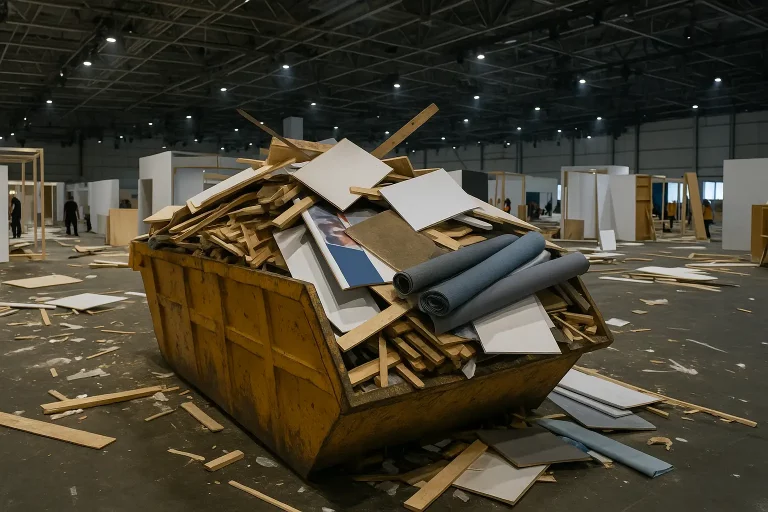
One of the most visible ways exhibitors reduce waste is through their choice of materials and graphics. The traditional model—single-use MDF walls, printed foam-board or vinyl banners—has high environmental costs. UK events industry research reports that temporary exhibition structures contribute significantly to waste and carbon emissions. Antalis
In 2025/26, forward-looking exhibitors are switching to materials that support a circular approach. For example:
- Using modular aluminium frame systems designed for reuse across multiple shows. This one change keeps production and disposal cost down, and lowers future trade show costs.
- Adopting digitally-printed fabric graphics or tension-fabric walls rather than single-use rigid boards. These fabrics often pack down smaller for transport, reuse better, and create less waste at end-of-life.
- Specifying eco-substrates — for instance, paper-based boards or fully recyclable print media. One UK example: Antalis UK worked with exhibitors to build stands using “robust, fully recyclable substrate” rather than MDF.
From a budget perspective, while these materials may cost slightly more upfront, they can lower your overall exhibition stand budget long term. Reuse means fewer builds, fewer removals, and fewer replacement prints. That’s good for waste, and good for your bottom line.
Here’s a quick checklist when selecting materials:
By making smarter material choices, you’re not just reducing waste—you’re signalling to clients, prospects and the industry that you take both brand and environment seriously. This supports your overall visual marketing message and strengthens trust when you show up on the stand.
2. Waste-Aware Logistics: Transport, Storage and On-Site Behaviour
Waste isn’t only about materials—it’s also about how you move them, store them and manage them during the show. This section examines how UK exhibitors are optimising logistics to cut waste and cost alike.
Transport and freight: Moving heavy crates and bulky structures is a high-cost, high-carbon activity. Exhibitors are consolidating shipments, choosing regional hubs, and selecting lighter stand modules to reduce volume and weight. These changes contribute to lower trade show costs and a smaller environmental footprint.
Storage & reuse: Many exhibitors now design stand elements for multi-show use—not just recycling after one event. By storing modular pieces between events and reconfiguring them, they extend the lifespan of components and avoid unnecessary disposal. The decision to reuse is a strong driver in reducing hidden waste and overall exhibition operating costs.
On-site waste management: UK venues increasingly demand strong waste management plans from exhibitors—separate bins for paper, plastic, general waste; removal of single-use plastics; and end-of-show waste audits. For example, venue operators commit to diverting waste from landfill and request exhibitors to partner accordingly. International Food & Drink Event 2026
From an exhibition budgeting standpoint, allocate a line for waste disposal services, specify collection schedules and ensure you understand who is responsible for what. Poor planning leads to last-minute charges which eat into your budget.
In practice, a few smart moves make a big impact:
- Choose modular crates that double as storage between events.
- Use digital materials instead of paper where feasible (e-catalogues, QR codes) to reduce print waste.
- Coordinate with venue services ahead of time to understand their recycling and disposal policies—avoid penalties or added “clean-up” fees.
By focusing on logistics and behaviour, UK exhibitors are turning the entire lifecycle of the event—from transport to teardown—into a conscious component of their waste reduction strategy.
3. Energy, Consumables and Operational Waste: Hidden Areas of Improvement
While visitors notice great visuals, what often goes unseen is the operational waste associated with running a stand. Exhibitors are increasingly focused on reducing consumables and managing energy use—both to support sustainability and to control exhibition costs.
For example:
- Lighting & power usage: Exhibitors are specifying LED lighting, motion-sensors for meeting/user zones, and smart power controls to minimise unnecessary usage. This reduces energy consumption and aligns with venue sustainability programmes.
- Single-use giveaways: The era of cheap plastic freebies is changing. Many UK exhibitors now invest in fewer, higher-quality items that are reusable or made from recycled materials. As part of their exhibition expenses checklist, they include sourcing sustainable giveaways, assessing disposal impact and factoring the reuse value.
- Printed collateral: Business cards, brochures and flyers can quickly fill waste bins. Smart exhibitors shift to digital materials, interactive displays or print-on-demand systems to reduce surplus stock and waste.
From a budget perspective, tracking operational waste helps you align spending with value. For instance, if you continue ordering large volumes of printed collateral that become obsolete after each show, you’re paying for waste generation as well as production. Optimising the usage model changes both the cost and the waste profile.
One practical approach is conducting a “waste audit” after each event. List what was discarded, why it was unused, and how you’ll avoid recurrence. Then integrate the findings into your next plan. That transforms waste management from a cost-afterthought into proactive improvement.
4. Collaboration and Venue Partnerships: The New Norm in UK Exhibiting
Reducing waste in exhibitions isn’t just about what you do—it’s about who you work with. In the UK, exhibitors, venues and contractors are increasingly collaborating to drive sustainability across the entire event ecosystem. This shift is reshaping how stands are planned, built and managed.
Examples of partnership-driven change include:
- Venue sustainability frameworks: Major UK venues now publish sustainability & waste policies, encourage exhibitors to reuse modules, offer recycling services and provide data on waste diverted from landfill.
- Supplier ecosystems: Stand builders, freight handlers and logistics firms are offering reuse & return services, modular systems and “zero waste” packages—meaning fewer single-use components, better logistics and less overall waste.
- Exhibitor networks: Brands are sharing best-practice, forming consortia to co-invest in modular rig systems, or leasing rather than buying one-off stands. This collaborative model reduces waste and spreads cost across events.
From a budgeting standpoint, working collaboratively can reduce your upfront investment and your long-term waste burden. Leasing modules or joining a pool means lower capital cost and fewer disposal outcomes. That supports better exhibition budgeting and helps you forecast multi-event lifecycle costs.
In effect, the UK is moving from isolated stand builds to ecosystem-based exhibiting—where every player from designer to venue shares responsibility for waste reduction. When you align with these partnerships, your brand becomes part of the solution—and that adds powerful resonance in your marketing and stand story.
Get your Exhibition stand Installation quote!
Let’s save you from waste costs…
5. Visitor Engagement & Behaviour: Turning Footfall into Sustainable Practice
Waste reduction isn’t only about back-of-house operations—how visitors engage with your stand plays a big role. UK exhibitors are using smarter engagement strategies to reduce waste and improve experience simultaneously.
Here’s how:
- Interactive digital experiences: Instead of handing out brochures, exhibitors use QR scan walls, apps or tablets. It reduces printed materials and ties into your visual marketing strategy.
- Smart giveaways: The focus is shifting from “free stuff” to purposeful and reusable items. For instance, branded tote bags that serve throughout the show and afterwards reduce waste and increase brand recall.
- Clear visitor zones & guidance: Exhibitors design stands to guide traffic flow, reduce congestion and avoid accidental damage to materials or displays—less repair, less waste.
- On-site incentives: Some exhibitors promote recycling, collection of old devices or materials, or donation points on the stand. These engagement mechanics help visitors feel part of the sustainability story and reduce overall waste footprint.
From the budgeting side, adjusting engagement strategies to reduce waste often brings cost savings (less print, fewer giveaways) and enhances the visitor experience. When you frame sustainability as part of your brand story, you differentiate yourself—not just by what you show, but by how you show it.
6. Measuring Impact and Planning for the Future
The final piece of the puzzle is measurement. Reducing waste isn’t a one-time fix—it’s an ongoing process that demands tracking, reporting and continual improvement. UK exhibitors who lead in 2025/26 are doing just that.
They’re asking key questions like:
- How much waste did our stand generate (kg / event)?
- What percentage of materials were reused, recycled or sent to landfill?
- What were the >hidden exhibition costs< /li>
- What savings did we make via reuse, improved logistics or print reduction?
- What is our projected lifecycle cost of the stand design vs single-use?
Many venues now supply waste data post-event—exhibitors can use this to benchmark performance and justify future investment in more sustainable stands. For example, one UK show reported that modular shell scheme carpet reused for 3 years prevented tonnes of waste and reduced disposal costs. From an operational budgeting viewpoint, tracking these metrics allows you to build a true exhibition stand cost breakdown which includes waste disposal, reuse cycles, and material lifecycle costs. Such a breakdown helps you capture a more realistic picture of your long-term expenditure—and reveals how sustainable practice and cost efficiency go hand in hand.
Looking ahead, exhibitors planning multiple UK shows can set up sustainability KPIs aligned with their broader corporate ESG goals—such as “reuse 80% of stand elements,” “reduce print waste by 50%,” or “halve single-use consumables by 2027.” When these strategies are embedded into your stand planning and exhibition costs model, you’re not just reducing waste—you’re gaining repeatable, measurable value from your investment.
7. Bringing It All Together: How to Build Your Waste-Smart Exhibition Strategy
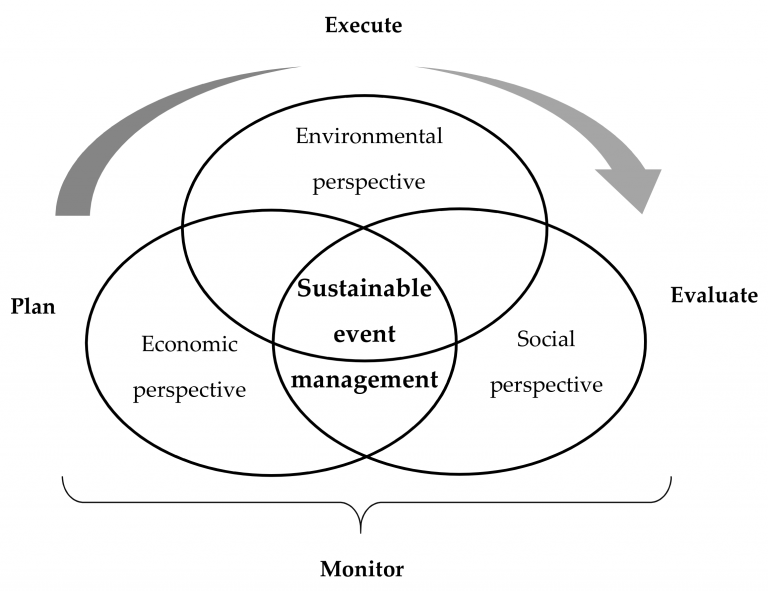
So, what does a practical “waste-smart” strategy look like for UK exhibitors in 2025/26? Here’s a five-step framework:
- Plan upfront: In your exhibition budgeting, work in reuse and waste reduction from Day One. Choose modular systems and specify sustainable materials.
- Engage stakeholders: Include your stand builder, logistics partner, venue contact and marketing team in a sustainability briefing. Make waste reduction part of the meeting agenda.
- Implement on-site controls: Set up collection bins, train your team on waste behaviour, and route traffic to avoid damage or extra waste.
- Measure and report: Collect data on materials used, waste generated, transport emissions and disposal outcomes. Use those metrics to refine your model.
- Iterate and invest: Use each show to improve. Reuse parts, negotiate better logistics, optimise layout and reduce consumables. This cycle reduces your long-term cost and waste footprint.
By following this framework, you transform waste reduction from a nice-to-have into a strategic advantage—improving your brand’s standing, lowering your cost base and making every exhibition smarter.
For many UK exhibitors, the question is no longer “should we reduce waste?” but “how fast can we reduce it without compromising impact?” And the answer lies in thoughtful planning, genuine collaboration and disciplined tracking of both cost and waste.
As you prepare your next exhibition stand in the UK, remember: waste reduction isn’t just about picking green materials—it’s about the entire lifecycle of your event presence. If you design for reuse, manage logistics smartly, engage visitors thoughtfully and measure outcomes carefully, you’ll create stands that perform beautifully and sustainably for years to come.
Ready to make your next stand both memorable and responsible? Partner with a contractor who understands sustainable exhibition design, modular solutions and UK venue requirements. Your brand will benefit—and so will the environment.


